


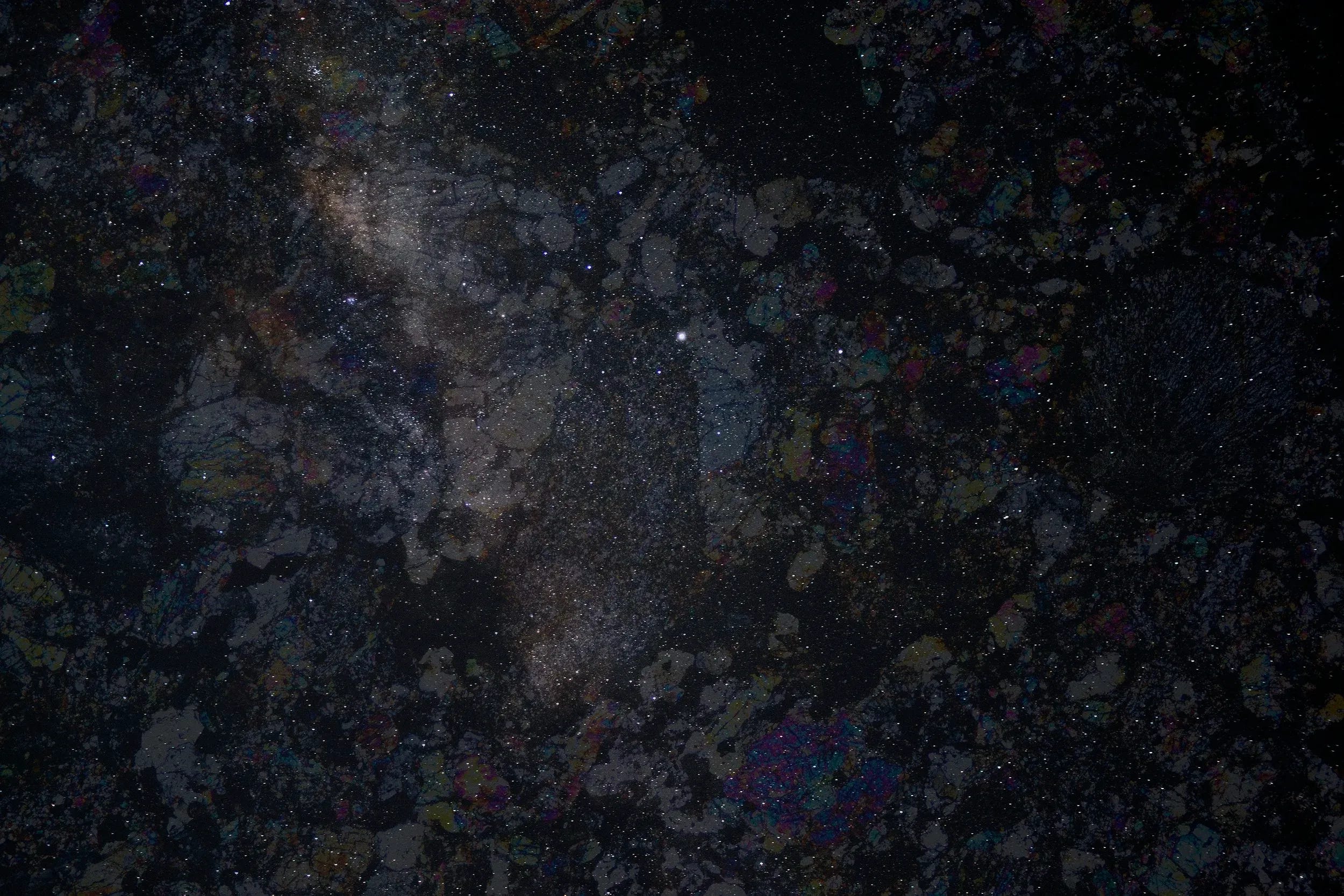
Welcome to The SciArt Curator, a guide to navigating the intersection of science & art. Each article explores what makes SciArt projects work, what we can learn from practitioners, and how ideas can become collaborations and opportunities. At the end of each issue, you’ll also find a curated selection of upcoming SciArt events and calls.

Curator’s thread
I think what art and science do is create something that wouldn’t occur without the artist or the scientist — Louise Beer, artist and curator.
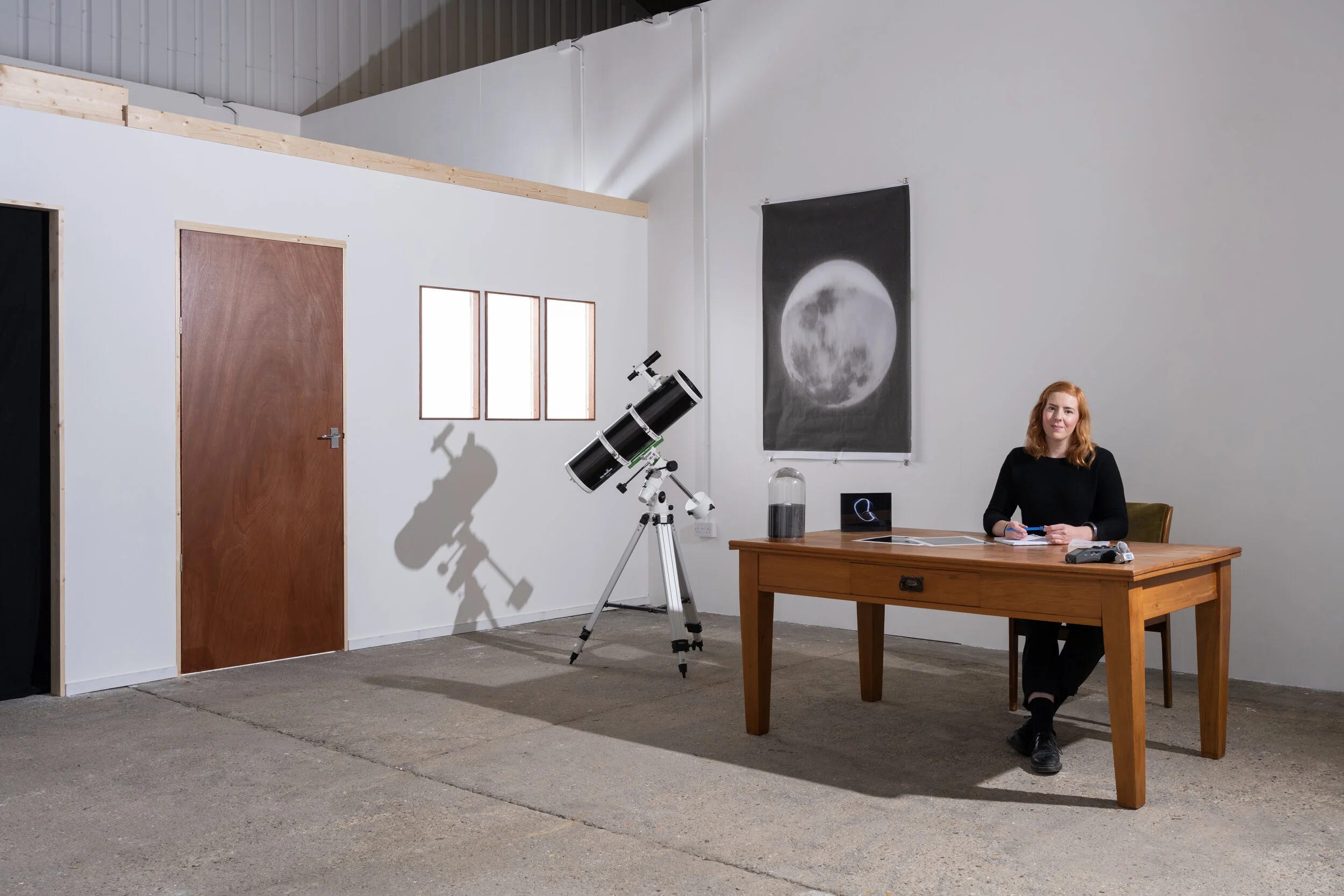
Earlier this year, I interviewed Louise Beer, a New Zealand artist and curator who uses photography, sound and participatory discussion to connect us with Earth’s history, the cosmos and the climate crisis.
As with every interview, I prepared and shared the questions in advance. I see them as a guide rather than a script: they give the conversation a direction, but I remain open to whatever emerges when the interviewee joins the call.
My conversation with Louise was slightly different from my previous interviews. With thoughtful questions, guided by a deep curiosity, she took me to unexpected places. At several points, I found myself talking about my own experiences rather than focusing on hers.
We moved from the loss of dark skies to its impact on our relationship with Earth. From how artists invite scientists to approach their research from a different perspective to how we can create meaningful change when we work collectively.
“No doubt she is amazing at connecting with people and opening them up,” I thought to myself several times during our conversation.
One lesson that stayed with me is: SciArt practice can develop through long-term curiosity rather than a single formal opportunity.
This connects with a pattern I’ve been noticing across several interviews. The SciArt ecosystem is more than organisations, residencies, museums, universities and funding programmes. It is made of relationships.
Often, those relationships come before the formal programme: that email you finally sent, the conversation with a researcher who caught your attention, knocking on the door of a research institution, a connection that eventually becomes a collaboration.
So, for all the early careers out there wondering, “How do I start?” You may not need to find the perfect sciart programme to get started. You can begin by following a question and building relationships around it.
Last but not least, Louise’s beautiful projects combining photography and letters, and, most of all, her belief in humans' potential to create positive change deeply inspired Green (un)seen, my first attempt at creating a SciArt initiative.
So, my huge gratitude to Louise for this beautiful conversation (and patience!).
Enjoying this article? Subscribe for free to get new posts straight to your inbox and support the project.

Reconnecting Earth to the cosmos with Louise Beer
What happens when we lose sight of the night sky?
For Louise Beer, this question has become a lifelong inquiry. She explores the relationship between astronomy, environmental awareness, and our sense of place in the universe. Through photography, sound, installation, writing, and participatory projects, she investigates how living under dark skies or light-polluted ones shapes the way we understand ourselves, the climate crisis, and Earth’s place in cosmic history.
At the heart of Louise’s practice is a simple and profound observation: not everyone experiences the same night sky.
Growing up in Aotearoa, New Zealand, she was surrounded by dark skies where the Milky Way was a familiar presence. When she later moved to the United Kingdom as a teenager, she was struck by the disappearance of the dark sky.
It was a really profound moment when I realized that a lot of people are experiencing the night in a completely different way. I started wondering how it changes you as a person if you live under one kind of night sky rather than another.
Who has the privilege of darkness?
Louise’s fascination with astronomy began long before she considered herself an artist. Her father, although not an astronomer, filled their home with diagrams showing Earth’s place in the Solar System and the Milky Way’s place within the universe.
Louise never imagined becoming a scientist. Instead, she found a different way to explore the same questions through art.
I see artistic practice as a tool for exploring what I want to understand. The more I learn about science, the more fascinating it becomes.
Today, that curiosity is focused on an increasingly urgent issue: light pollution.
Louise wonders whether our growing separation from the night sky affects more than astronomy. Could it also influence how we relate to Earth’s ecosystems? If we lose the ability to encounter the vastness of the cosmos, do we lose an important context for understanding the fragility and rarity of life on Earth?
Earth, a cosmic spectacle
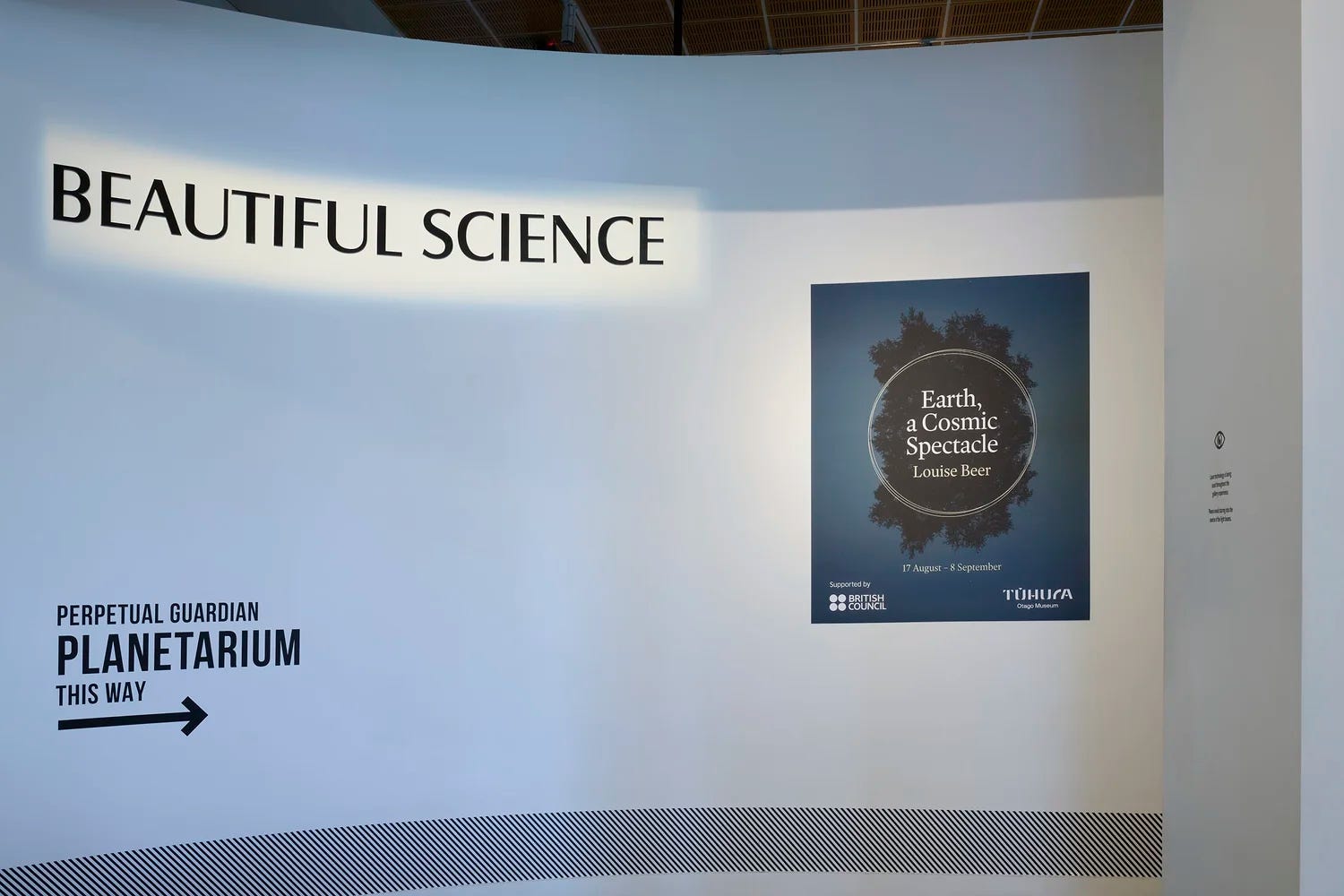
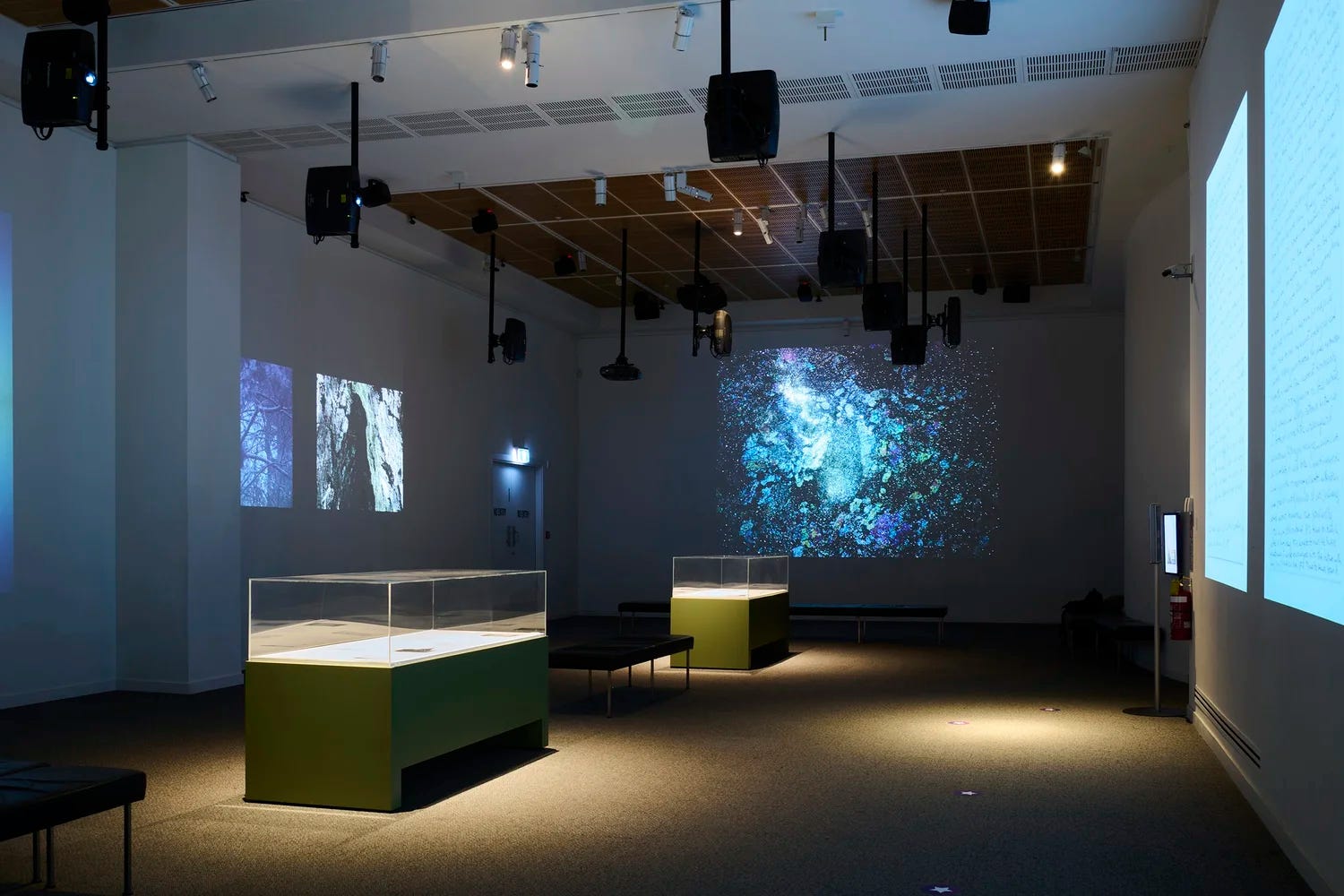
These questions have taken shape in Earth, A Cosmic Spectacle, an ongoing participatory project that Louise describes as a long-term archive she hopes to continue throughout her career.
The project invites astronomers, geologists, biologists, and members of the public to reflect on Earth’s place within the universe. Participants are asked to look up at the night sky and consider the sequence of events that made life possible. They are also invited to write a short reflection about how this perspective influences their understanding of the climate crisis.
The resulting archive has already gathered hundreds of responses. Louise is fascinated not only by what people write, but by how different forms of expertise shape the answers. Astronomers, geologists, and biologists often approach the same question through different timescales and lenses.
Through these reflections, scientific knowledge becomes something deeply personal. In the end, the project creates a space for contemplation, an opportunity to connect cosmic history with present-day responsibility.
Building bridges between artists and scientists
Louise’s work also offers insights into how art-science collaborations actually emerge. Unlike formal partnership programmes, many of her collaborations began through years of informal conversations with researchers. Earth, A Cosmic Spectacle is a result of a decade of dialogue, curiosity, and persistence.
A turning point came in 2024, when she received funds from the British Council to develop the project in collaboration with Dr Ian Griffin, an astronomer and museum director in New Zealand. Since then, the work has expanded through partnerships with the Institute of Astronomy at the University of Cambridge, University College Dublin, Mayo Dark Sky Park in Ireland, and arts organisations across the UK.
One pattern that emerged repeatedly during our conversation is that artists often carry much of the responsibility for initiating collaborations.
It was really clear to me how much effort I had put in, Louise reflects. It’s great when opportunities exist that support the process rather than having to do it entirely on your own.
When asked what would help more artists and scientists connect, she suggested approaches ranging from artist-scientist “speed dating” sessions to curated matchmaking programmes, residencies, opportunities for artists to attend scientific talks and seminars, and more funding to support sustained collaboration.


What artists bring to scientific spaces
Louise views artistic practice as a way of creating conversations that might not otherwise occur. Artists bring questions that encourage reflection on the human dimensions of research. They invite scientists to consider how their knowledge relates to everyday life, how different disciplines connect, and why their work matters beyond the laboratory or observatory.
At the same time, these collaborations create opportunities for people outside academia to engage with scientific ideas.
Looking up and forward
Throughout our conversation, Louise returned repeatedly to the importance of perspective. Whether contemplating galaxies, cyanobacteria, or the climate crisis, she believes that understanding our place within larger systems can be both humbling and empowering.
“People often say, ‘I’m just one person.’ But think how much smaller cyanobacteria are,” she said with a smile.
I loved that example. Those microscopic organisms transformed Earth’s atmosphere and made complex life possible.
If we can reconnect with the vastness of the cosmos while recognising our place within Earth’s long history, perhaps we can also rediscover our capacity to care for the world around us.
I believe that is one of art’s most important roles today: helping us see that we are both small and significant at the same time.
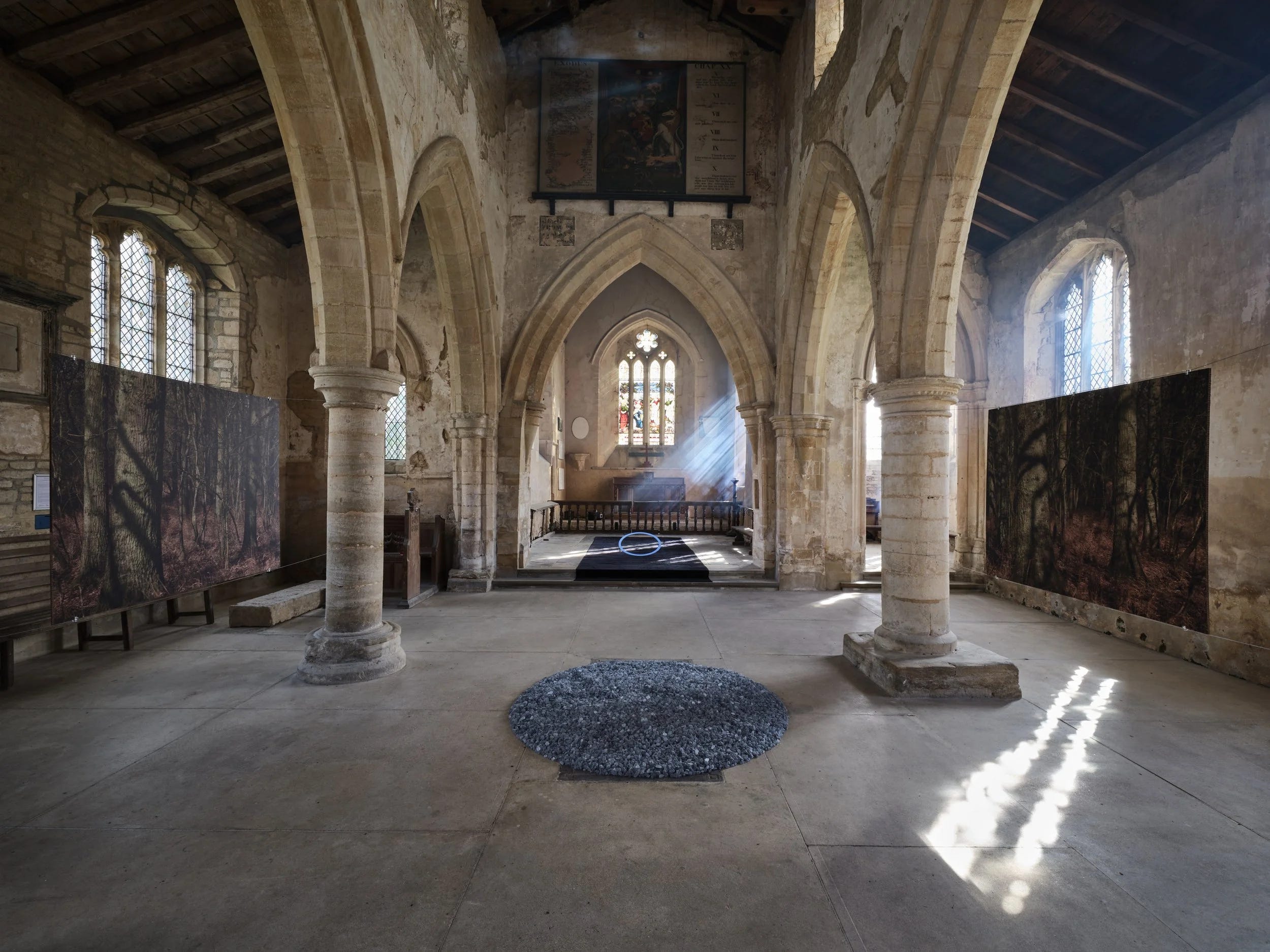
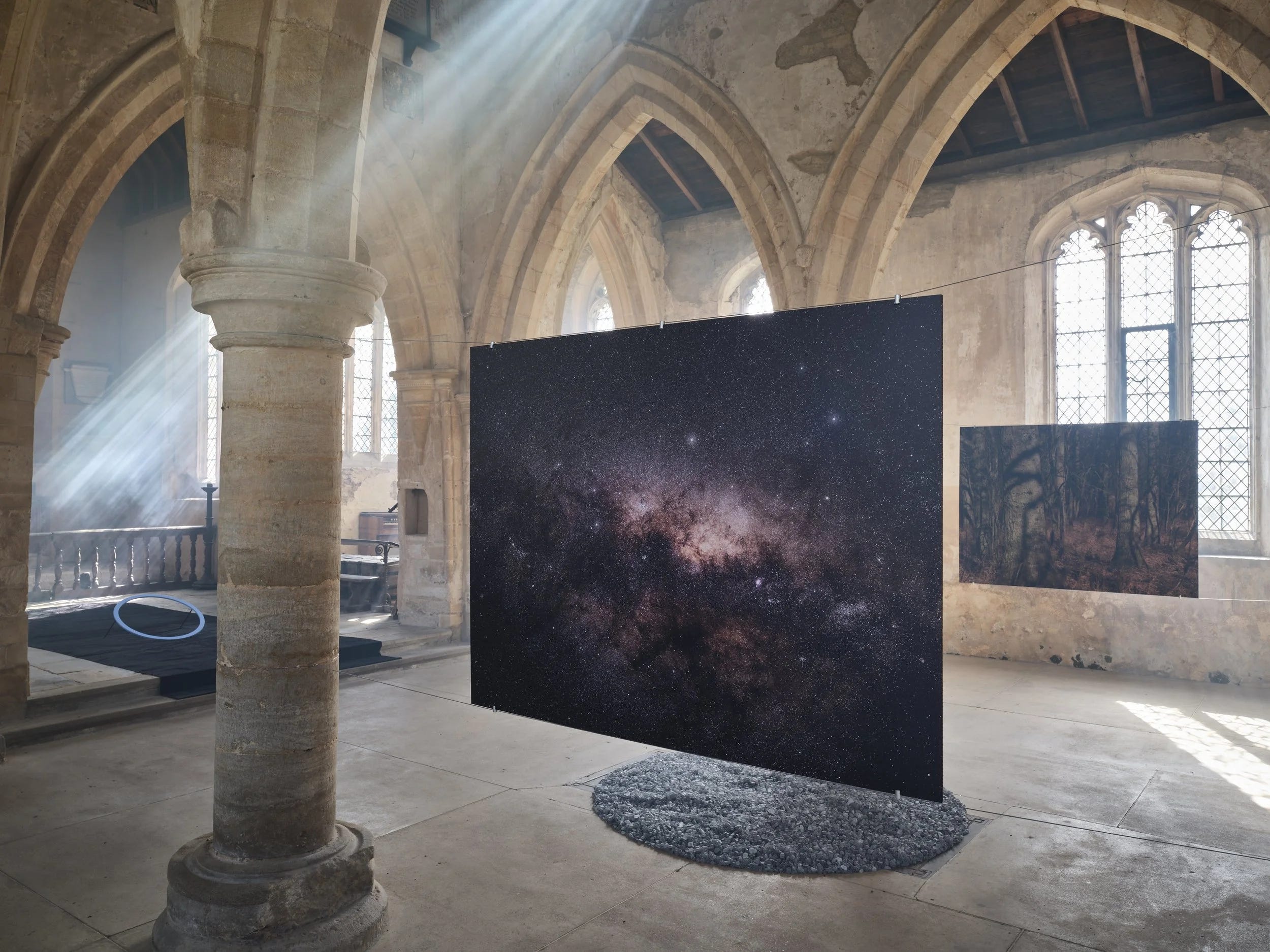
Louise is continuing to build Earth, A Cosmic Spectacle as an archive of perspectives. If you would like to contribute your own reflection or explore a collaboration around these questions and topics, you can contact her (louise.j.beer@gmail.com). Discover more of Louise’s work on her website and connect on LinkedIn.

Upcoming SciArt events and calls
— Ecomic Digital Art Award 2026. Promoted by Italy’s Ministero della Cultura, open internationally, across formats including audiovisual, generative, data-driven and AI-assisted work. Deadline to apply: 12 October.
— Art meets climate science & high-performance computing. 16 October | Hamburg am Deutsches Klimarechenzentrum. One-day workshop and panel discussion that bridges the worlds of art, climate science, and high-performance computing.
— Science and Sensibility: Method Meets Art. 17-18 October | University of Oxford, UK and online. Transdisciplinary conference bringing together scientists, creatives, and arts-based researchers from different disciplines working on transdisciplinarity, with a focus on bridging science and the arts.
— 2026 Agar Art Contest . Organized by the ASM. Following year’s theme is “Microbial Postcards”, participants are invited to create an agar art postcard inspired by a place they love, capturing both the visible features that make it special and the invisible microbial communities that help shape it. Submissions till 21 October.
— Exhibition Running Time. 26 Sep – 29 Nov | Berlin, Germany. Part of CHRYSALIS. ARTISTS IN LABS, Berlin-based Artistic Research in Science and Technology, hosted by Art Laboratory Berlin.

Let’s map the SciArt ecosystem together!
The SciArt ecosystem is constantly evolving, and The SciArt Curator aims to make it easier to navigate.
Your discoveries can help shape what I bring to this newsletter. Have you created, seen, or heard of a project, event, or person that bridges science and art? Send it my way. I’d love to feature it and help spread the word.
Thank you for reading, contributing, and being part of this growing SciArt community. See you in two weeks!
Found something useful in this article? Share it with other SciArt lovers!
Thats very interesting - last week was on a webinar from Dr.Christopher Barnes about nature connectedness and relatedness where he measured our ongoing connection with the natural world after a series of dark skies events here in the UK. Fascinating talk. It’s nice to see what other work is going on within these areas of science or how it gets people engaged.